
“Dal is healthy, so the more we eat, the better.”
Many of us have grown up believing this. While pulses are among the most nutritious foods in the Indian diet, the way we consume them becomes increasingly important as we age.
For older adults, especially those living with diabetes, kidney concerns, digestive issues, or reduced physical activity, understanding which dal to eat, how much to eat, and how to prepare it can make a significant difference to overall health.
Let us take a closer look at the humble bowl of dal and learn how to make it work for your body.

Join Now >
Pulses: The Protein Powerhouse of the Indian Kitchen
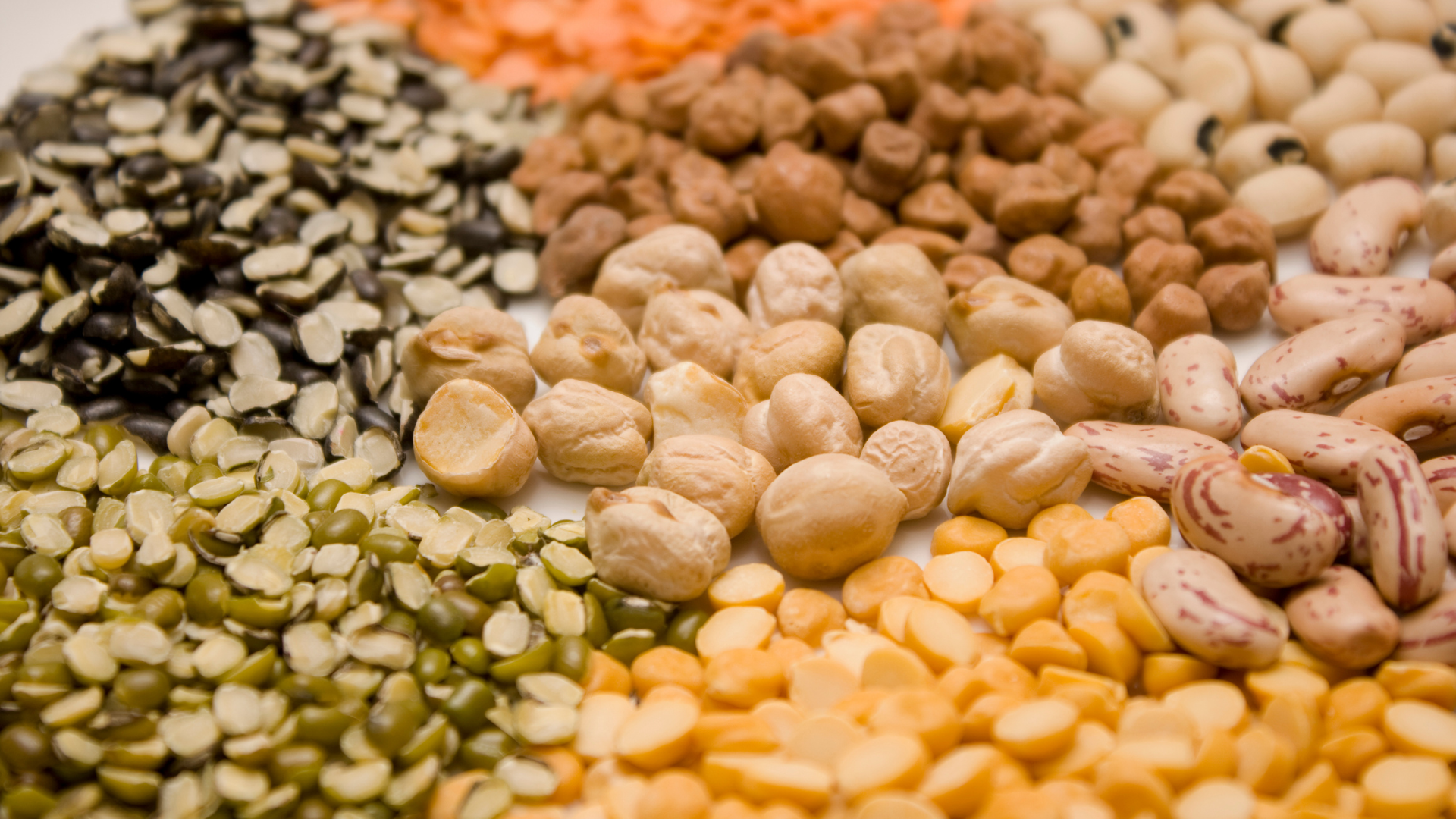
Most Indian homes regularly use a variety of pulses, including:
- Moong Dal (yellow and whole green)
- Masoor Dal
- Arhar or Toor Dal
- Chana Dal
- Urad Dal
- Moth Beans and Matki
Pulses are one of the best plant-based sources of protein and have been an important part of Indian meals for generations. They are especially valuable for vegetarians, who may have fewer protein options in their daily diet.
However, pulses are not complete proteins on their own. They are relatively low in certain essential amino acids. This is why traditional Indian meals often combine dal with rice or roti. Together, they provide a better balance of nutrients and improve protein quality.
Why Older Adults Need Adequate Protein
As we age, our bodies naturally lose muscle mass and strength. This process, known as age-related muscle loss, can affect mobility, balance, and independence.
Protein helps:
- Maintain muscle strength
- Support recovery after illness
- Improve immunity
- Promote wound healing
- Maintain healthy skin and tissues
Including moderate amounts of pulses in your diet is a simple way to meet daily protein needs.
The Hidden Nutritional Benefits of Pulses
Beyond protein, pulses are packed with important nutrients. They contain:
- Dietary fibre
- Potassium
- Magnesium
- Iron
- Zinc
- Folate (Vitamin B9)
- Various antioxidants
These nutrients support heart health, nerve function, blood formation, and overall well-being.
For many older adults, pulses provide an affordable and accessible source of nutrition that can be easily incorporated into daily meals.
How Pulses Help Manage Blood Sugar
One of the greatest advantages of pulses is their fibre content.
The fibre present in dal helps:
- Slow down digestion
- Prevent rapid spikes in blood sugar
- Improve satiety
- Support healthy bowel movements
This makes pulses particularly beneficial for people living with diabetes.
A bowl of dal can help keep blood sugar levels more stable compared to highly refined carbohydrates.
The fibre also acts as a prebiotic, nourishing the beneficial bacteria in our intestines. A healthy gut microbiome is increasingly linked with better digestion, stronger immunity, and improved overall health.
Why Kidney Patients Need to Be Careful
Although pulses are highly nutritious, they are naturally rich in potassium.
For people with healthy kidneys, excess potassium is usually removed through urine without difficulty.
However, for those with:
- Chronic kidney disease (CKD)
- Reduced kidney function
- Certain heart conditions
- Advanced kidney-related complications
High potassium intake may become a concern.
When kidneys are unable to remove potassium efficiently, potassium levels in the blood may rise. Excess potassium can sometimes affect heart rhythm and create serious health risks.
This does not mean all kidney patients should completely avoid pulses. The right amount depends on individual medical conditions and dietary advice from a healthcare professional.
A Simple Way to Reduce Potassium Content
If you have been advised to monitor potassium intake, one useful technique is soaking pulses before cooking.
Try this method:
- Wash the pulses thoroughly.
- Soak them in water for 7–8 hours or overnight.
- Discard the soaking water.
- Cook using fresh water.
Some potassium leaches into the soaking water, helping reduce the overall potassium content.
This traditional practice can make pulses more suitable for people who need to control potassium intake, though it should always be done according to individual medical advice.
Understanding Anti-Nutrients in Pulses
You may have heard that pulses contain substances called “anti-nutrients.” This sounds alarming, but it is not a reason to stop eating them.
Anti-nutrients are naturally occurring compounds that can reduce the absorption of certain minerals in the body.
Fortunately, traditional cooking methods significantly reduce these compounds.
Helpful preparation methods include:
- Soaking
- Sprouting
- Pressure cooking
- Thorough cooking
These methods improve digestibility and make nutrients more available to the body.
Interestingly, many traditional Indian cooking practices have been doing this for generations, long before nutrition science explained why they work.
When Dal Causes Gas and Bloating
One of the most common complaints among older adults is:
“Dal gives me gas.” This is true for some people. Pulses contain fibre and certain carbohydrates that can ferment in the gut and produce gas. Digestive capacity may also decline with age, making some individuals more sensitive.
Common symptoms include:
- Bloating
- Abdominal discomfort
- Excess gas
- Feeling overly full
Fortunately, there are ways to make dal easier to digest.
Tips to Reduce Gas and Improve Digestion
1. Add Digestive Spices
Traditional spices are often added to dal for good reason.
Consider using:
- Ginger
- Jeera (cumin)
- Hing (asafoetida)
- Ajwain (carom seeds)
These ingredients can improve digestion and reduce discomfort.
2. Start with Easier-to-Digest Dals
Yellow moong dal is often gentler on the digestive system than heavier pulses. If you frequently experience bloating, start with smaller portions of moong dal and gradually increase intake.
3. Soak Before Cooking
Soaking not only helps reduce potassium and anti-nutrients but can also improve digestibility.
4. Eat Moderate Portions
Even healthy foods can cause discomfort when consumed in excess. A moderate serving is usually easier for the digestive system to handle.
Why Whole Moong Dal May Not Suit Everyone
Whole moong dal is highly nutritious and contains more fibre than its split version.
However, this extra fibre may sometimes lead to:
- Gas
- Bloating
- Digestive discomfort
This is especially true for individuals with sensitive digestion or those who are not accustomed to high-fibre foods.
If whole moong causes discomfort, switching to split yellow moong dal may be a better option.
The goal is not simply to eat the most nutritious food, but to eat foods your body can comfortably digest and benefit from.
Finding the Right Balance
The key message is simple:
Dal is healthy, but the right type and preparation matter.For most older adults:
✔ Pulses provide valuable protein and fibre
✔ They help support muscle health and blood sugar control
✔ Soaking and proper cooking improve digestion and nutrient absorption
✔ Kidney patients should seek personalised guidance regarding potassium intake
✔ Digestive spices can help reduce bloating and discomfort
There is no single dal that is perfect for everyone. Your age, health conditions, digestive comfort, and nutritional needs all play a role.
A Final Thought
Growing older does not mean giving up the foods you love. It simply means understanding your body’s changing needs.
The bowl of dal that has been part of Indian meals for generations remains one of nature’s most nourishing foods. With a few thoughtful adjustments—soaking, proper cooking, mindful portions, and choosing the right variety—you can continue enjoying its benefits while supporting your health and vitality.
The best diet is not the most restrictive one. It is the one that nourishes you, suits your body, and helps you enjoy every stage of life with strength, comfort, and confidence.