
Ageing does not arrive suddenly. It unfolds quietly, in small changes we often ignore. A little more fatigue after a walk. A slight delay in getting up. Misplacing things. Needing more light to read. These are not signs of weakness; they are signals asking for adjustment, not alarm.
What matters is not resisting age, but learning how to live well with it.
This guide brings together simple, practical habits that can help older adults stay independent, safe, and confident without feeling overwhelmed.

Join Now >
1. Stay Social, Stay Engaged
One of the most overlooked aspects of ageing is social connection. As routines shrink, so do interactions. This can quietly affect mental and emotional health.
Make a conscious effort to stay engaged:
- Reconnect with hobbies like painting, music, reading, or gardening
- Join small social groups or community activities
- Spend time with friends, neighbours, or family
Even if a hobby was once abandoned, restarting it can bring a sense of purpose and joy. Social engagement is not just about passing time. It protects against loneliness, cognitive decline, and low mood.
2. Keep Moving, But Move Wisely
Exercise is essential, but it must be adapted, not forced.
Instead of focusing on intensity, focus on consistency and comfort:
- Walking regularly
- Light stretching or free hand exercises
- Swimming or cycling if comfortable
- Gentle strength training
The key is enjoyment. If exercise feels like a burden, it will not last. When it feels natural, it becomes part of daily life.
Even simple habits like avoiding long periods of sitting can improve circulation and reduce stiffness. Frequent small movements are often more beneficial than occasional heavy workouts.
3. Protect What Matters: Eyes, Ears, and Balance
Ageing often affects vision and hearing gradually, making it easy to ignore until it starts interfering with daily life.
Eye care:
- Get regular eye check-ups
- Address cataracts or vision issues early
- Ensure proper lighting at home
Hearing care:
- Do not ignore hearing loss as it can lead to social withdrawal
- Use hearing aids if recommended
Neglecting these can reduce independence. Addressing them early preserves confidence and safety.
Balance is equally important. With age, the risk of falls increases, not because of carelessness, but due to reduced muscle strength and slower reflexes.
Simple precautions help:
- Walk slowly and mindfully
- Avoid rushing, especially when getting up
- Use support where needed
4. Strengthen Your Legs, Protect Your Independence
The legs are among the first areas to lose strength with age. This directly affects mobility and safety.
Weak thigh and calf muscles increase the risk of:
- Falls
- Knee pain
- Difficulty standing or walking
Strengthening exercises, even simple ones done at home, can make a big difference:
- Chair assisted squats
- Leg raises
- Heel raises
Strong legs mean better balance, more confidence, and fewer injuries.
5. Be Careful with Food. Less Is Often More
As the body ages, metabolism slows down. This means the body needs fewer calories but better nutrition.
Key considerations:
- Avoid heavy, oily, or overly processed foods
- Limit sugar intake, especially from packaged drinks and juices
- Eat smaller, balanced meals
Digestion also becomes weaker with age. Overeating or consuming heavy foods can lead to discomfort, bloating, and fatigue.
Think of food not just as taste, but as support for your body.
6. Monitor Health Regularly. Do Not Wait for Symptoms
One of the most important habits in ageing is proactive health monitoring.
Keep track of:
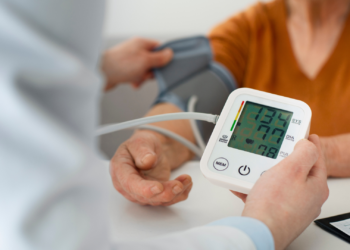
- Blood pressure
- Blood sugar levels
- Cholesterol
If possible, use simple home monitoring devices. Regular tracking helps detect changes early and prevents complications.
Equally important is staying connected with a primary doctor, someone who understands your medical history. Going directly to specialists may miss the bigger picture, as specialists often focus on one issue at a time.
A trusted physician provides continuity, context, and better long-term care.
7. Do Not Ignore Vaccinations
Vaccinations are not just for children. They are equally important for older adults.
Essential vaccines may include:
- Influenza or flu
- Pneumonia
- Shingles
These become especially important if immunity is low or if there are existing health conditions.
Preventive care reduces hospital visits and protects overall well-being.
8. Move Slowly, Think Safely
A common but underestimated risk is sudden movement, especially after rest.
When getting up:
- Sit for a few seconds before standing
- Avoid sudden changes in posture
This allows the body to adjust blood pressure and reduces dizziness or falls.
Similarly:
- Do not rush into activities
- Give your body time to adapt
Safety is not about restriction. It is about awareness.
9. Accept Changes Without Losing Confidence
Perhaps the most difficult part of ageing is not physical. It is mental.
Often, the mind believes it can still do everything the way it used to. But the body may not cooperate in the same way.
This mismatch can lead to frustration or injury.
Acceptance is not defeat. It is intelligence.
- Recognise your limits
- Adapt your pace
- Ask for help when needed
Confidence comes not from doing everything alone, but from doing things safely.
10. Make Preventive Care a Routine
Regular health check-ups are essential:
- Annual full-body check-ups
- More frequent tests for managing conditions like diabetes or heart disease
Preventive care is far easier and far less stressful than emergency care.
A Gentle Reminder
Ageing is not about becoming less. It is about becoming more aware.
More aware of your body.
More aware of your needs.
More aware of what truly matters.
With the right habits, ageing can still be active, independent, and fulfilling.
And for families supporting from a distance, these small, consistent practices create something invaluable. Peace of mind.
Because care is not just about reacting when something goes wrong. It is about quietly ensuring things continue to go right.