

Summer brings longer days and brighter skies, but for older adults, it also increases the risk of dehydration, heat exhaustion, electrolyte imbalance, and worsening of chronic illnesses. Age-related changes in body function make seniors more sensitive to heat stress. An informed and preventive approach is essential.
Why Heat Affects Seniors More
Ageing reduces the body’s ability to regulate temperature efficiently. Sweat glands become less active, circulation slows, and the sensation of thirst decreases. As a result, dehydration may develop without obvious warning.
Chronic medical conditions such as diabetes, hypertension, heart disease, and kidney disorders further increase vulnerability. In addition, certain medications such as diuretics, blood pressure medicines, and some diabetes medicines can alter fluid balance or increase urination, raising the risk of dehydration.

Join Now >
Humidity can worsen the situation because sweat does not evaporate effectively, limiting the body’s natural cooling mechanism.
Heat-Related Illnesses: What to Watch For
1. Dehydration
Occurs when fluid intake does not match fluid loss. Early symptoms include dry mouth, fatigue, headache, reduced urine output, and dark-colored urine.
2. Heat Exhaustion
Caused by prolonged exposure to high temperatures. Symptoms include heavy sweating, weakness, dizziness, nausea, and muscle cramps.
3. Heat Stroke
A medical emergency characterised by very high body temperature, confusion, fainting, rapid pulse, and sometimes absence of sweating. Immediate hospitalisation is required.
Early recognition significantly reduces complications.
Hydration: The Foundation of Summer Care
Fluid intake should be regular and consistent, even without thirst.
Practical hydration tips:
- Drink small amounts of water every 1–2 hours
- Keep a water bottle accessible at all times
- Monitor urine colour; pale yellow indicates adequate hydration
- Limit caffeinated beverages
Oral Rehydration Solutions help maintain electrolyte balance during extreme heat. However, many ORS preparations contain glucose. Individuals with diabetes should check their blood sugar levels and consult their doctor before regular use.
Coconut water contains natural electrolytes but may not be suitable for those with poorly controlled diabetes or advanced kidney disease.
Patients with heart failure or late-stage chronic kidney disease may have fluid restrictions. Always follow individualised medical advice regarding daily intake.
Nutrition Adjustments During Summer
Diet directly impacts hydration and energy levels.
Recommended:
- Water-rich fruits such as watermelon, muskmelon, and papaya
- Cucumber, bottle gourd, and other hydrating vegetables
- Curd or buttermilk (if medically appropriate)
- Light, home-cooked meals
Limit:
- Excessively spicy or oily foods
- Heavy, fried meals
- Very sugary drinks
Smaller, more frequent meals improve digestion and reduce post-meal fatigue.
Clothing and Environmental Control
Lightweight, loose-fitting cotton clothing allows air circulation and helps maintain body temperature. Light-colored fabrics reflect heat better than dark shades.
Indoor temperature control strategies:
- Use fans or air conditioning where available
- Keep curtains closed during peak sunlight hours
- Ventilate rooms in the early morning and evening
- Take lukewarm baths to reduce body heat
Avoid outdoor exposure between 11 am and 4 pm when temperatures are highest.
Medication and Chronic Disease Monitoring
Summer can influence the effectiveness and side effects of medications.
- Diuretics may increase fluid loss
- Insulin must be stored properly to prevent heat damage
- Blood pressure can fluctuate in high temperatures
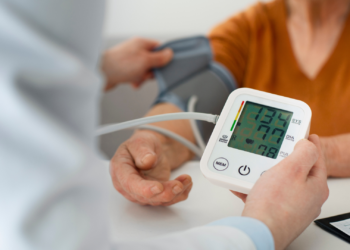
Regular monitoring of blood sugar and blood pressure is especially important during the summer months.
Consult your doctor if you notice unusual fatigue, persistent dizziness, swelling, or changes in urination patterns.
Electrolyte Balance and Salt Intake
Excessive sweating can cause sodium and potassium loss. Symptoms may include muscle cramps, weakness, or irregular heartbeat.
In general, moderate salt intake is necessary during hot weather unless medically restricted. Individuals with hypertension or kidney disease should not adjust salt consumption without medical advice.
Homemade fluids such as lightly salted lemon water may help in mild cases, but medical supervision is advised for high-risk individuals.
Safe Physical Activity
Physical movement supports circulation and joint mobility, but timing is critical.
- Exercise early morning or after sunset
- Stay hydrated before, during, and after activity
- Avoid strenuous outdoor tasks in peak heat
- Take frequent rest breaks
Indoor stretching and light walking are safer alternatives during heatwaves.
When to Seek Medical Attention
Immediate consultation is required if there is:
- Persistent confusion
- Fainting episodes
- Severe weakness
- No urine output for several hours
- Very high body temperature
Prompt treatment prevents complications.
Preparedness Is the Best Protection
Summer health for seniors requires awareness, preparation, and regular monitoring. Proper hydration, balanced nutrition, temperature control, and attention to chronic conditions significantly reduce risks.
For personalised guidance regarding medication adjustments, fluid intake, diabetes management, or heart and kidney care during summer, consider discussing your concerns through our Ask Your Doctor series every Tuesday at 11:30 am or scheduling a consultation at Samarth Clinic.
Informed decisions today can prevent avoidable health emergencies tomorrow.