

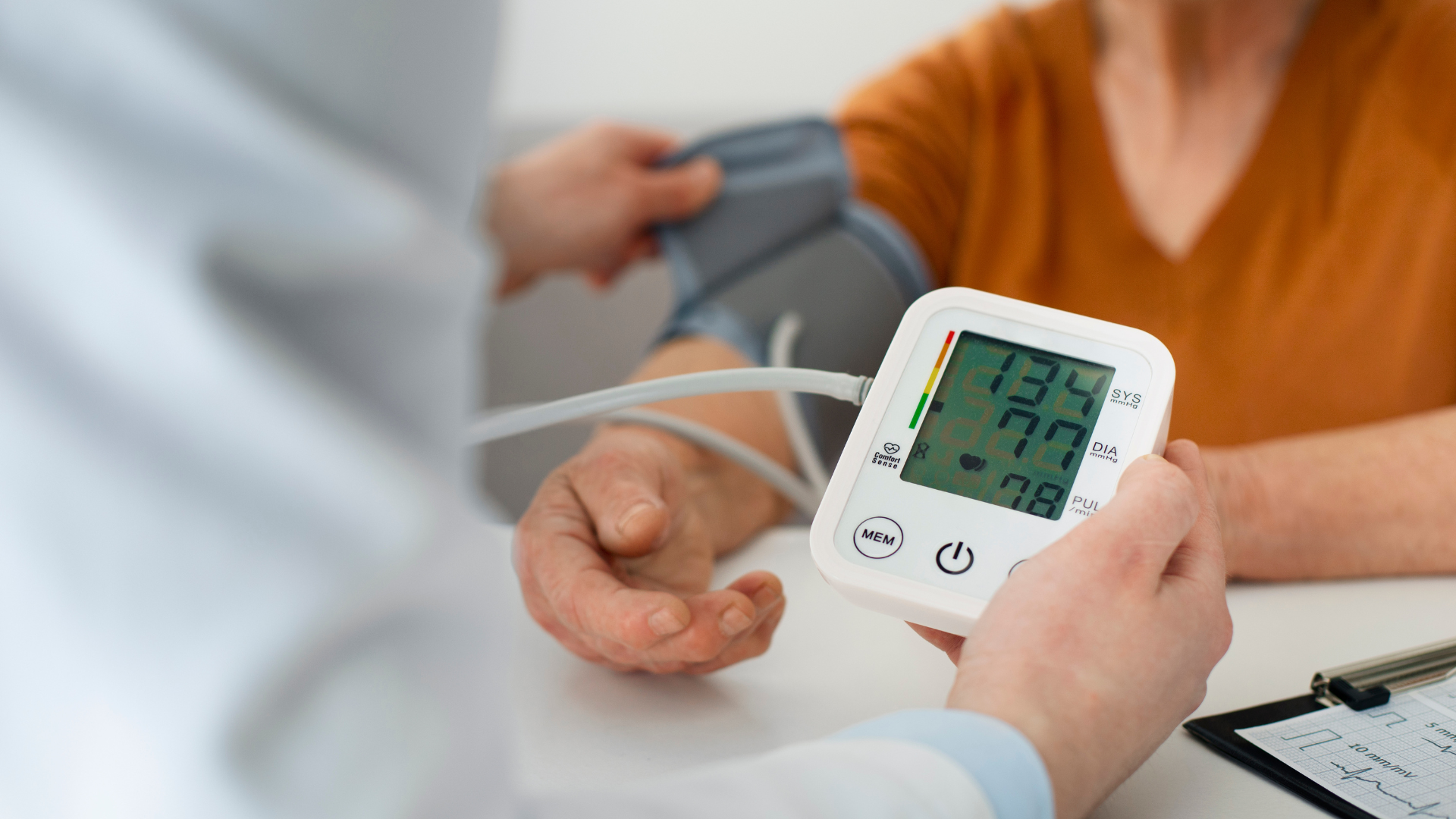
As we grow older, it is natural to notice small changes in how our bodies feel. You may sometimes feel dizzy when standing up, unusually tired, or slightly off balance. Often, these changes are brushed aside as “just part of ageing”. But in many cases, they are connected to something very common in later life, blood pressure.
Blood pressure problems are not a sign of weakness or illness. They are simply something to be aware of, understand, and manage gently. With the right knowledge and everyday habits, most older adults can continue living safely, comfortably, and independently.
What Is Blood Pressure?
Blood pressure is the force with which blood moves through your blood vessels. It is measured using two numbers. The first, or top number, shows how strongly your heart pumps blood. The second, or bottom number, shows how relaxed your blood vessels are between heartbeats.

Join Now >
As we age, blood vessels naturally become a little stiffer. Because of this, blood pressure readings can change over time. Some people develop blood pressure that is higher than ideal, while others experience blood pressure that becomes too low. Both situations deserve attention, but neither should cause panic.
High Blood Pressure in Older Adults
High blood pressure, also known as hypertension, is very common in later life. One of the challenges with high blood pressure is that it often causes no obvious symptoms at all. You may feel perfectly fine and still have readings that are higher than recommended.
In some cases, older adults may notice headaches, heaviness in the chest, blurred vision, or shortness of breath. However, these signs do not always appear. This is why regular checks are important, even when you feel well.
If left unmanaged, high blood pressure can place extra strain on the heart, brain, and kidneys. The good news is that with the right lifestyle habits and, when required, medication, it can usually be controlled very effectively.
Low Blood Pressure in Older Adults
Low blood pressure is less talked about, but it can be just as important. It often shows itself through symptoms rather than numbers alone. You might feel dizzy, weak, light-headed, or unsteady, especially when standing up suddenly. Some people may even experience fainting.
Low blood pressure in older adults can be linked to dehydration, missing meals, certain medications, or standing for long periods. It can also increase the risk of falls, which is why it should never be ignored.
If you notice repeated dizziness, unsteadiness, or blackouts, it is important to speak to a healthcare professional. These signs are not something you should push through.
Everyday Habits That Help Keep Blood Pressure Stable
Managing blood pressure does not mean strict routines or major lifestyle changes. Small, steady habits often make the biggest difference.
Eating regular, balanced meals helps keep blood pressure stable. There is no need for extreme diets. Familiar home-cooked food, eaten at regular times, is often best. Drinking enough fluids throughout the day is equally important, especially in warmer weather.
Gentle movement supports healthy circulation. This could be walking, stretching, light yoga, or simple chair exercises. What matters is moving a little every day, at your own pace.
When standing up from bed or a chair, take your time. Sit for a moment, breathe, and then rise slowly. This simple habit can prevent dizziness and reduce the risk of falls.
Adequate sleep and calm routines also support healthy blood pressure. Gentle breathing exercises, prayer, music, or quiet reading can help reduce stress and bring a sense of balance.
If you are prescribed medication, take it exactly as advised. Do not stop or change doses on your own, even if you feel well.
Monitoring Blood Pressure at Home Without Anxiety
Checking blood pressure at home can be helpful, but it should never become a source of worry. You do not need to check it multiple times a day. A few readings each week, taken at the same time of day, are usually enough.
Sit quietly for a few minutes before checking. Keep a simple notebook to note down your readings and how you felt at the time. This record can be very useful during medical appointments.
Remember, one unusual reading does not mean something is wrong. It is patterns over time that matter most.
When to Seek Help
You should seek medical advice if you experience frequent dizziness, fainting, confusion, repeated falls, or consistently very high or very low readings. Sudden changes should never be ignored. Asking for help early is a sign of wisdom, not dependence. Timely support often prevents bigger problems later.
Ageing with Awareness, Not Fear
Blood pressure changes are a common part of ageing, but they do not need to control your life. With awareness, simple habits, and regular check-ups, most older adults manage blood pressure well and continue to live with confidence and dignity.
Ageing well is not about avoiding every health issue. It is about understanding your body, responding kindly to its needs, and knowing that support is always available when you need it.