
As we age, our bodies respond to food differently. With a few simple changes in how meals are prepared and eaten, you can support better digestion, steady energy, and overall well-being.
Understanding Why Absorption Matters
Many healthy foods like whole grains, legumes, and seeds contain a natural compound called phytic acid. While these foods are nutritious, phytic acid can bind to essential minerals such as calcium, iron, zinc, and magnesium, making them harder for the body to absorb. It can also slow down the digestion of carbohydrates and proteins.
This does not mean we should avoid these foods. Instead, we can prepare them in ways that make them easier for our bodies to use.

Join Now >
Simple Ways to Improve Nutrient Absorption
Traditional cooking methods offer effective solutions:
- Soaking: Soaking whole grains and legumes for a few hours or overnight helps reduce phytic acid and improves digestion.
- Sprouting: Sprouting legumes further enhances nutrient availability and makes them lighter on the stomach.
- Fermentation: Foods like idli and dosa batter naturally ferment, improving both digestion and mineral absorption.
- Adding lemon juice: A small squeeze of lemon can help the body absorb minerals better from meals.
These small steps can make everyday food more nourishing without changing what we eat.
Making Carbohydrates Diabetes-Friendly
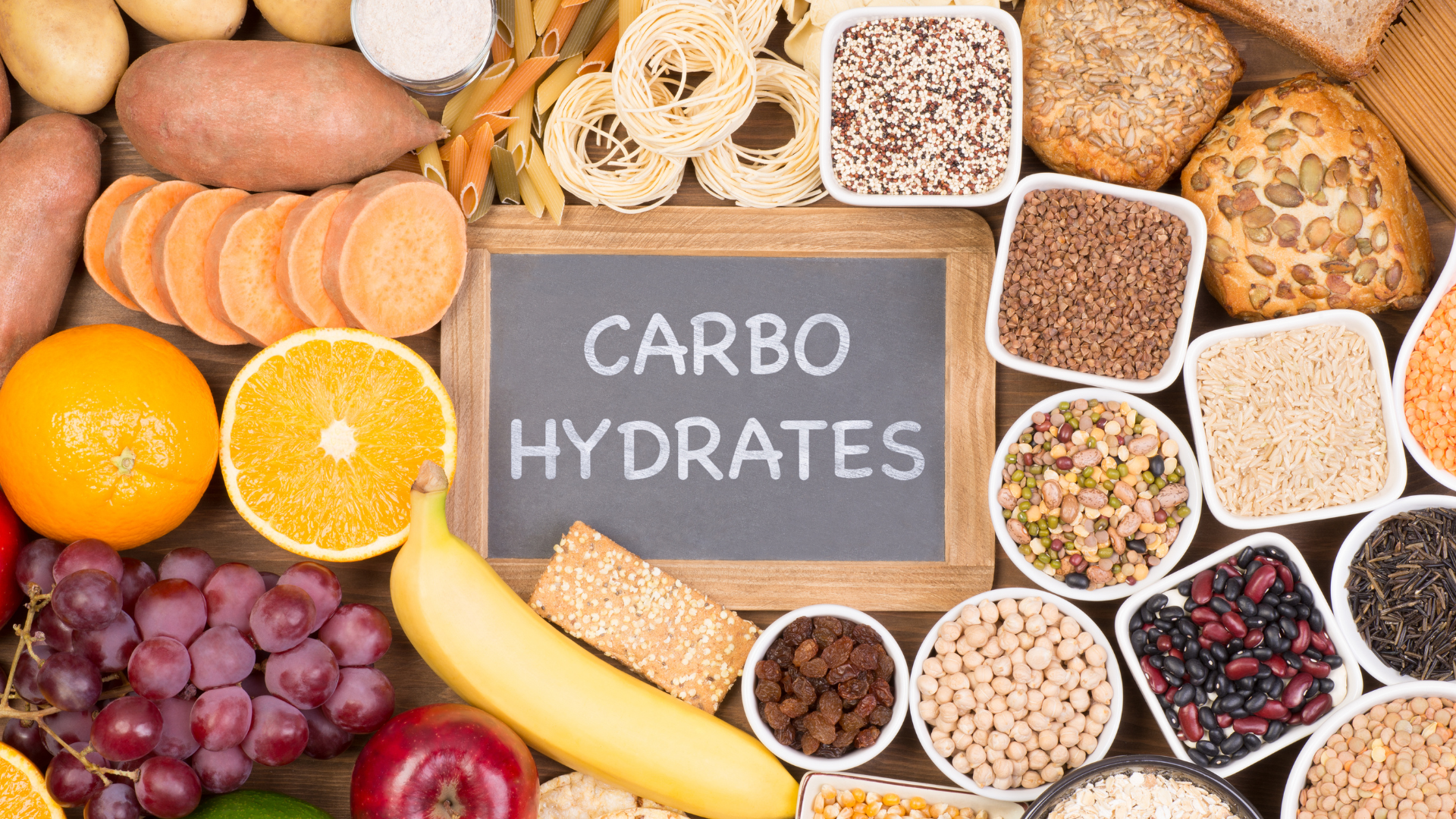
Managing blood sugar becomes increasingly important with age. Carbohydrates are an essential part of our diet, but how we eat them makes a big difference.
- Choose less refined grains: Options like bajra and ragi are better choices than highly refined grains and can be mixed with wheat.
- Watch portion sizes: Even healthy carbohydrates can raise blood sugar if eaten in large amounts.
- Balance your plate: Eating carbohydrates along with vegetables and a little healthy fat, such as ghee or olive oil, helps slow sugar absorption.
- Post-meal movement: A gentle 10–15-minute walk after eating can prevent sudden spikes in blood sugar.
A Smart Trick: Cooling and Reheating
An interesting and useful method is cooking foods like rice or potatoes, cooling them for several hours, and then reheating them before eating. This process converts part of the starch into resistant starch, which is digested more slowly and helps control blood sugar levels. Reheat gently to retain nutrients.
A Balanced Perspective
While these methods reduce the effects of phytic acid and improve digestion, it is important to remember that such compounds are not entirely harmful. In fact, they also have antioxidant properties and can offer protective health benefits when consumed as part of a balanced diet.
Ageing Well, Eating Wisely
Healthy ageing does not require strict diets or giving up favourite foods. A little awareness of how we prepare and combine meals can support better digestion, steady energy, and overall well-being. Small changes can make everyday eating more nourishing and comfortable.